A camera that reads the plate, not just the car
Number plate recognition usually arrives as three purchases: a camera, a computer and a licence. Here it is one box on a bracket. A Sony 1/2.7-inch sensor, a HiSilicon neural processor rated at 1 TOPS, and the whole recogniser — plate location, character segmentation, character recognition — running inside the housing, with the plate, the time and the picture written to a card in the same box. Five builds, because where the plate is and what carries the picture changes everything: two on a cable, one on 4G, two on a 200 W solar tower.
On the end of a cable
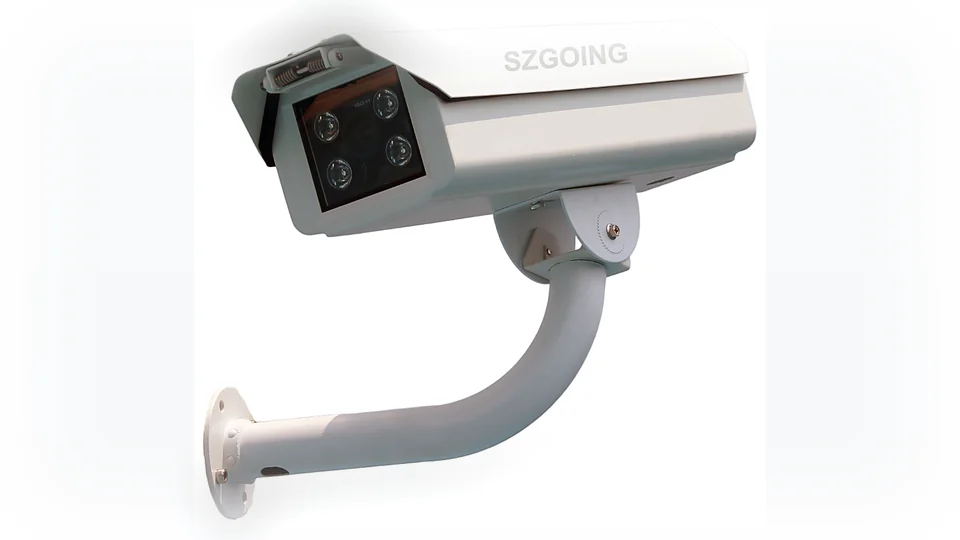
GT-LPR50M-150 — 5 MP, 150 km/h
The road head. A 5–50 mm motorised lens that reads a plate at 40 m, a 3200 × 1800 still for the plate and 1080p25 for the operator, and a TF slot for 128 GB of captures. Two lanes, one cable.
- 5 MP Sony
- 5–50 mm
- 150 km/h
- RJ45 + ONVIF
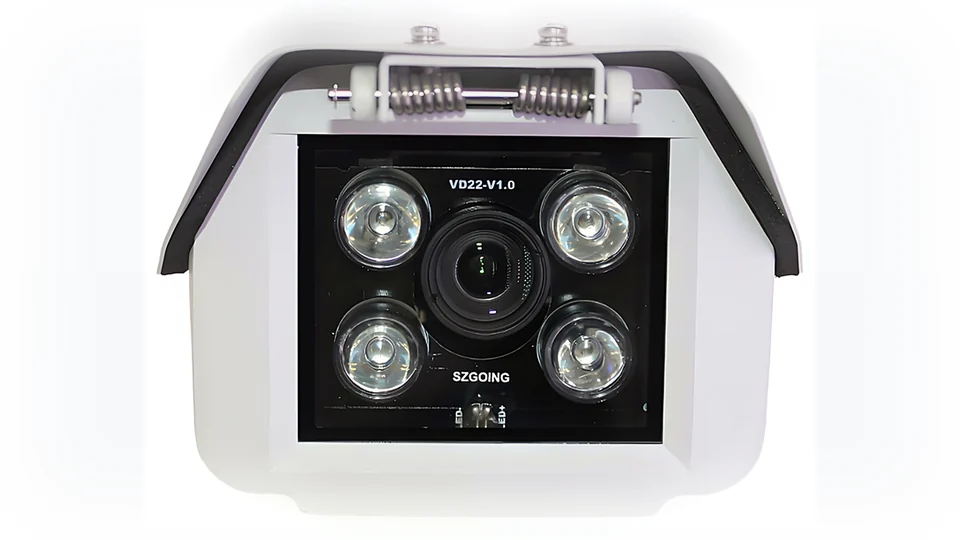
GT-LPR40M-50 — 4 MP, 50 km/h
The barrier head. A 6–22 mm lens matched to the four to eight metres between a post and a windscreen, on a 4 MP sensor that already puts 240 pixels across the plate at that range.
- 4 MP Sony
- 6–22 mm
- 50 km/h
- 2 relays out
No cable to the gate
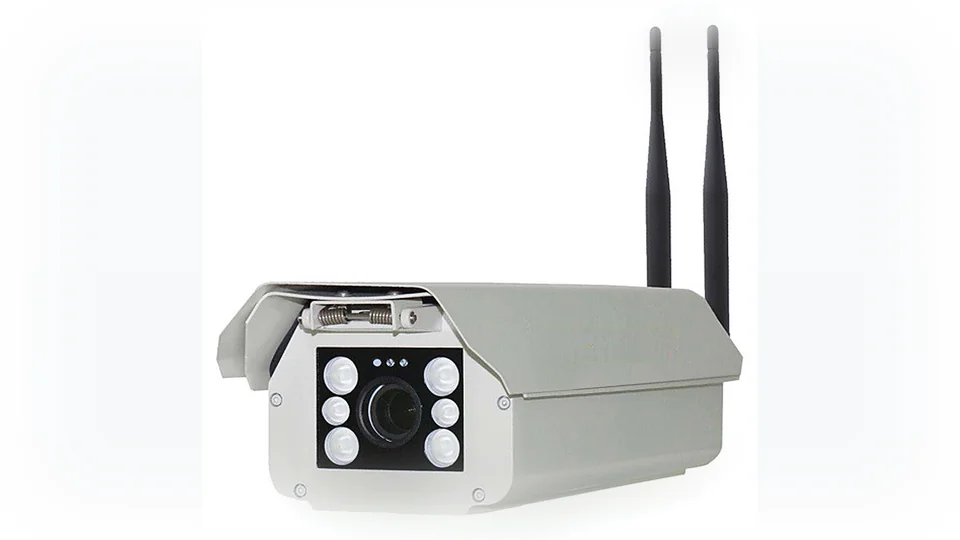
No power either — the 200 W tower
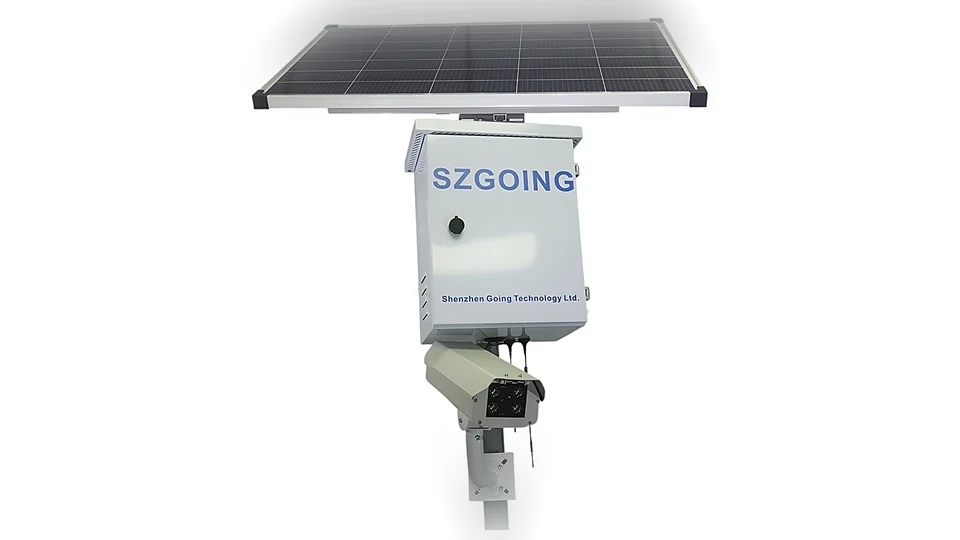
BS200-LPR50M-150 — solar, 150 km/h
A 5 MP plate reader on the site tower: two 100 W panels, a 12 V 20 A controller and a 1 TB Hikvision recorder in the box, with the head reading the road from a 60 mm pole. 45 kg, no trench.
- 200 W array
- 1 TB NVR
- 5–50 mm
- 45 kg kit
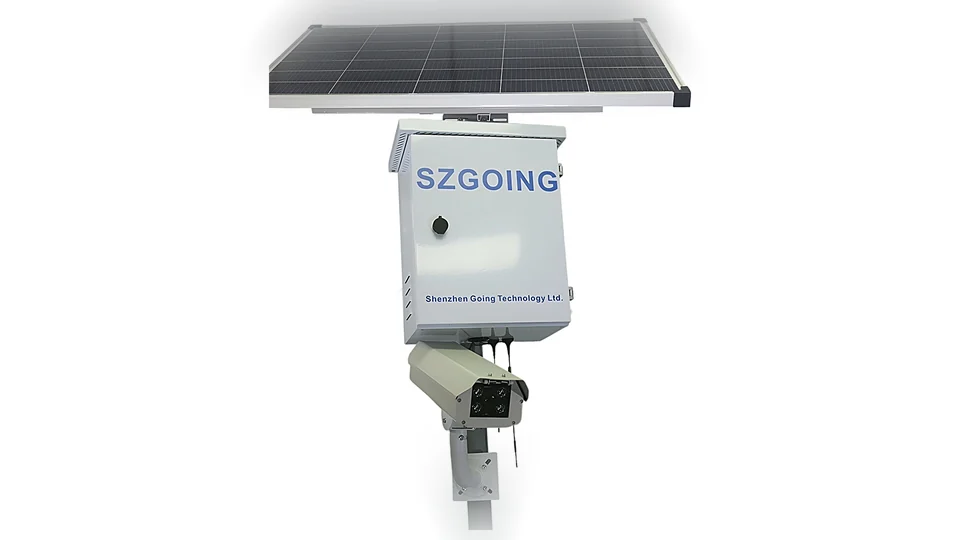
BS200-LPR40M-50 — solar, 50 km/h
The barrier head off-grid: 4 MP, 6–22 mm, the same 200 W array and 1 TB recorder. For a yard, a depot gate or a site entrance where nothing can be buried and nobody is paying a power bill.
- 200 W array
- 1 TB NVR
- 6–22 mm
- 45 kg kit
| Build | Sensor | Speed | Lens | Network | Archive | Best for |
|---|---|---|---|---|---|---|
| GT-LPR50M-150 | 5 MP, 1/2.7″ | 150 km/h | 5–50 mm | RJ45 | TF to 128 GB | A road with a cable at the post |
| GT-LPR40M-50 | 4 MP, 1/2.7″ | 50 km/h | 6–22 mm | RJ45 | TF to 128 GB | A barrier with four to eight metres of run-up |
| GT-4G-LPR50M-150 | 5 MP, 1/2.7″ | 150 km/h | 5–50 mm | 4G/3G | TF to 64 GB | A road where no duct exists |
| BS200-LPR50M-150 | 5 MP, 1/2.7″ | 150 km/h | 5–50 mm | 4G + WiFi | 1 TB NVR + TF 128 GB | Off-grid road, a fortnight of plates |
| BS200-LPR40M-50 | 4 MP, 1/2.7″ | 50 km/h | 6–22 mm | 4G + WiFi | 1 TB NVR + TF 64 GB | Off-grid barrier, depot or yard |
Four numbers that decide the purchase
The lens sets the distance, the sensor sets the pixels
A 520 mm plate at 40 m through a 50 mm lens on this sensor lands about 395 pixels wide; at 22 mm it lands at 110. Recognition wants something north of 100–150 px, so 22 mm at 40 m is the edge and 50 mm is comfortable. That single pair of numbers explains why the 150 km/h build costs more than the 50 km/h one, and why both datasheets stop at 40 m.
The faster the plate, the fewer frames you get
At 40 m and 50 mm the frame is 4.2 m wide. A car at 150 km/h crosses it in 0.10 s — two and a half frames at 25 fps, so the trigger has to be right the first time. At 50 km/h the same frame holds the car for 0.30 s, seven frames. This is what the two speed ratings really describe.
Where the archive lives decides the running cost
A card in the camera holds captures, not days of video: 64 or 128 GB of plates and JPEGs is tens of thousands of records and no subscription. The two tower builds add a 1 TB Hikvision recorder for continuous video beside the plate log — which is what you want the morning after, not the evening of.
Nothing leaves the camera to open a gate
Whitelist on the camera, two dry-contact relay outputs, two inputs for a loop or radar, two RS485 ports at 115200 for a barrier controller. The plate is compared and the relay closes on the same board, so a dead internet link does not stop the residents getting in — it only stops you watching them.
ANPR questions, answered plainly
Does this need a PC, a server or a software licence?
No, and that is the whole point of the architecture. The recogniser — plate location, character segmentation, character recognition — runs on the camera's own neural processor, writes the plate, the timestamp and the JPEG to the card inside the housing, and serves its console from the same board. There is no per-plate fee, no licence dongle and no box in the cabinet. A white-listed plate closes a relay on the camera, which is what opens the barrier.
Will it read plates in my country?
It ships with recognition for more than 100 countries and needs no custom development. The datasheet figures are worth reading exactly as written: above 90% for character-plus-letter plates with zero training samples, above 99% once it has learned the site, ≥99.9% capture and ≥98% recognition overall. Two-line plates, unusual fonts and plates behind a tow bar are where the honest answer is 'send us a photo of the plate at the gate and we will run it'. We would rather check before you buy than explain after.
150 km/h or 50 km/h — what actually changes?
Not the software: the lens and the window it leaves you. At 40 m the 5 MP build zoomed to 50 mm covers 4.2 m of road, so a car at 150 km/h crosses the frame in 0.10 s — two and a half frames at 25 fps. The 4 MP build at 22 mm covers 9.6 m, which is seventeen frames at 50 km/h and a far more forgiving trigger. Buy the 150 km/h build for a road where the plate arrives fast and far away; buy the 50 km/h build where the plate arrives at 6 m and stops.
What happens when the internet goes down?
Recognition carries on. The camera judges, recognises and records locally, and the archive on the card or the recorder keeps filling. What you lose is the remote view and the notification — which is why the wired builds are the right answer for a barrier that has to work every morning, and 4G is the right answer for a site where no cable can reach.
Can it open a barrier without anybody pressing a button?
Yes. Two relay outputs, a whitelist loaded on the camera, and a rule: plate on the list, relay closes for as long as you set. Two inputs take the loop or the radar if you fit one, two RS485 ports talk to a barrier controller that wants a serial command, and TCP, HTTP and MQTT are exposed for anything else. The decision never leaves the camera.
Read next
Construction site cameras — the same tower without the recogniser, if what you need is a camera and an alarm rather than a plate log.
Price a plate reader for your gate
Send the distance from the post to where the plate is, the speed the vehicles arrive at, and whether there is power and a cable at the post. You get the build, the lens setting and a delivered price.