Dash cameras that hold up in a hot car and a real dispute
Three builds on one wiring standard: a single-lens 4G camera that puts a vehicle on the map for the least money, a screenless dual-lens 4G unit watching the road and the cabin, and a dual-radar 2K build that watches around a parked vehicle. All hard-wired, all available with your brand on the housing.

4G dual-lens dash camera
No screen: 3 MP on the road, 3 MP infrared on the cabin, GPS tracking and a radar parking guard. The unit to fit when the box should stay invisible.
- 2 lenses
- 6 MP total
- Privacy button
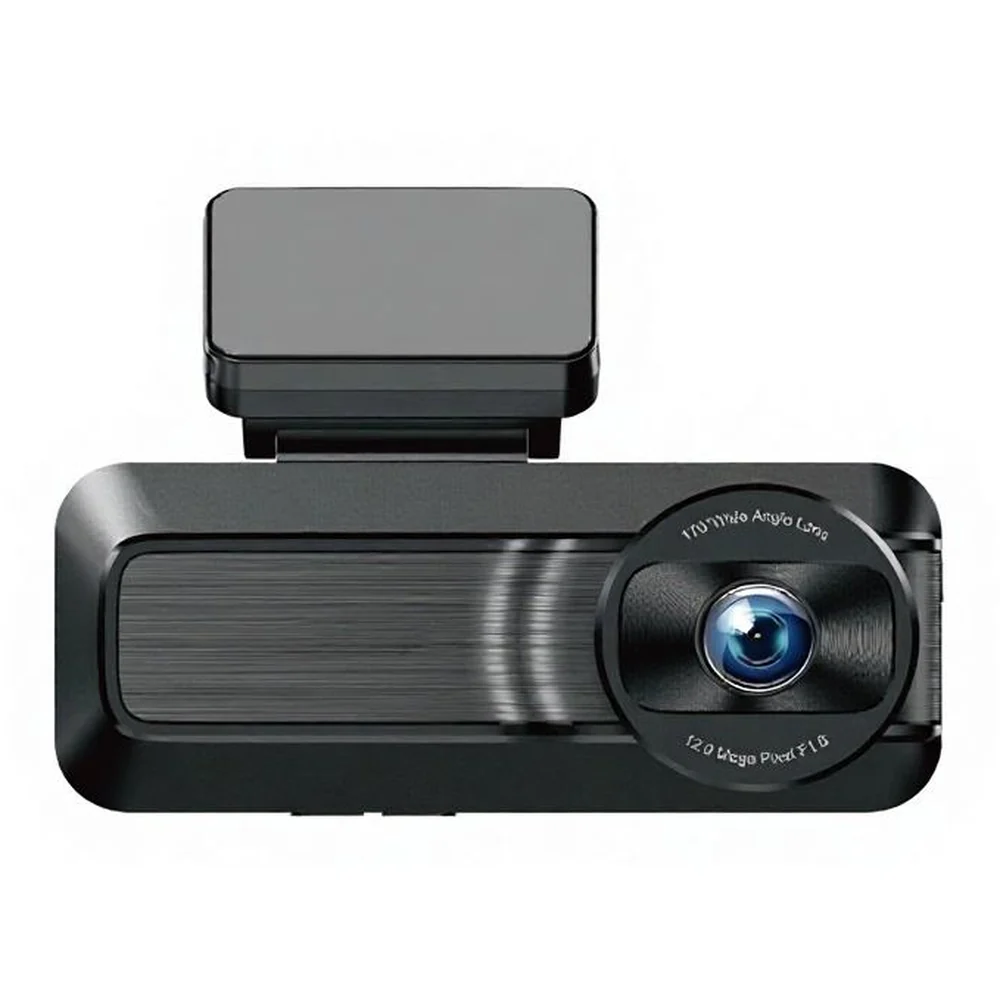
4G single-lens dash camera
One 130° lens, 1080p HDR and a GPS stamp on every file. The cheapest honest way to put a vehicle on the map.
- 1 lens
- 1080p HDR
- GPS
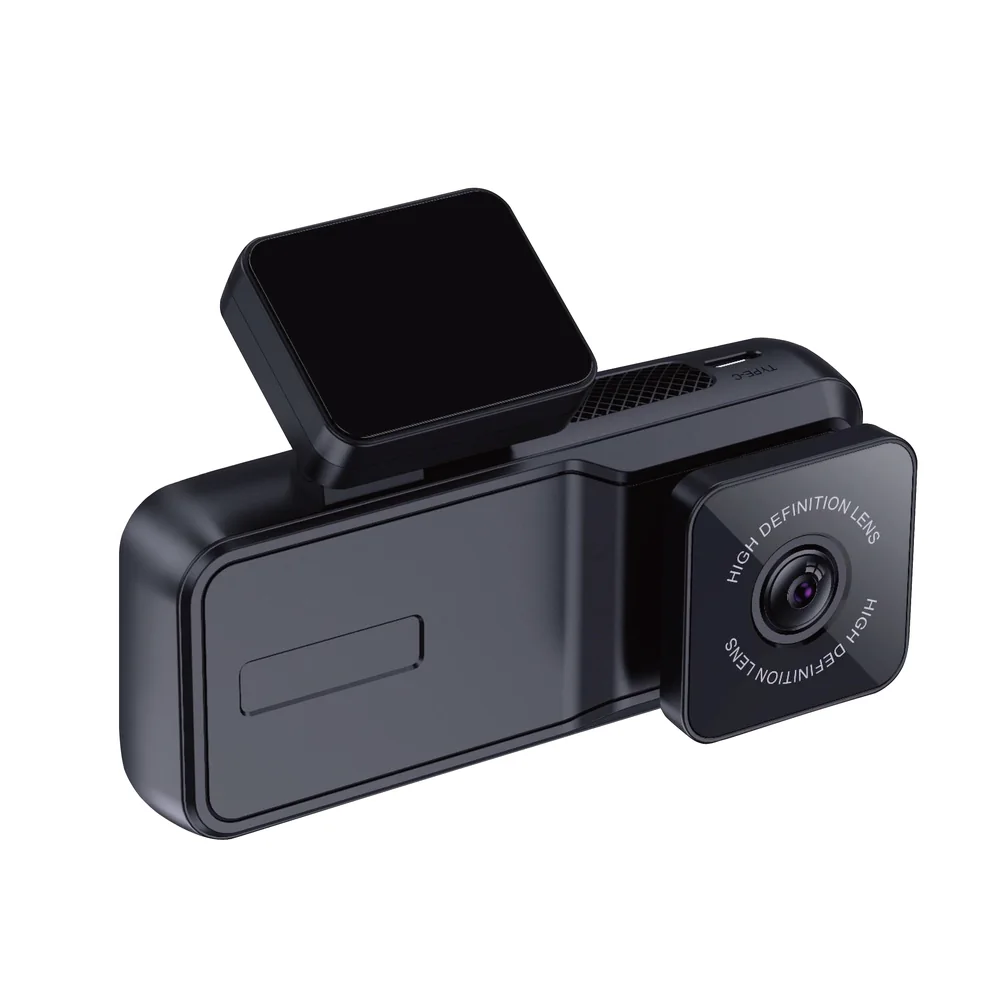
4G dual-radar dash camera
Two 2K lenses with radar on both cameras and 24/7 surveillance, so a parked vehicle is watched from the rear as well.
- 2 lenses
- 2K + 2K
- Dual radar
Five specification points, in order of how often they cause trouble
Power design
Supercapacitor, not a lithium cell. A dashboard in summer sun reaches 70 °C+ and swollen batteries are the number one failure.
The card, not the camera
High-endurance micro SD and a six-month check. Loop recording kills ordinary cards, and a dead card looks exactly like a dead camera.
GPS as evidence
Position and speed history turns a clip into a timeline an insurer can follow.
Installation
Hard-wired with ignition sense, cable routed away from airbags, bracket not adhesive.
Data strategy
Event uploads plus live view on demand. Continuous 4G streaming is expensive and fragile.
Mounting & heat
Locking bracket, ventilation clearance and a housing that does not soften in a windscreen's greenhouse effect.
Dash camera FAQ
Which dash camera suits a company van?
A 4G dual-lens unit covers most vans: 3 MP on the road for right-of-way, 3 MP infrared on the cabin for driver-facing claims, and GPS on the clip you hand to an insurer without pulling the card. Move to the dual-radar build when the van sleeps on a street and the rear needs watching while it is parked.
Do dash cameras drain the vehicle battery?
Not when installed correctly. Hard-wired kits use an ignition-sense lead and a low-voltage cutoff, so parking mode stops before the battery reaches a level that would prevent starting.
Can I resell these under my own brand?
Yes. OEM branding on housing and packaging, private-label manuals and custom retail boxes are all standard for us. Minimum quantities apply and are quoted openly.
Read next
4G dash cameras for small fleets — what actually reduces disputes, and how to test one unit before ordering twenty.
Ask for a sample unit
Test one camera before you commit to a fleet. We ship single samples and quote volume pricing openly.