One lens, one SIM card, and the vehicle is on the map
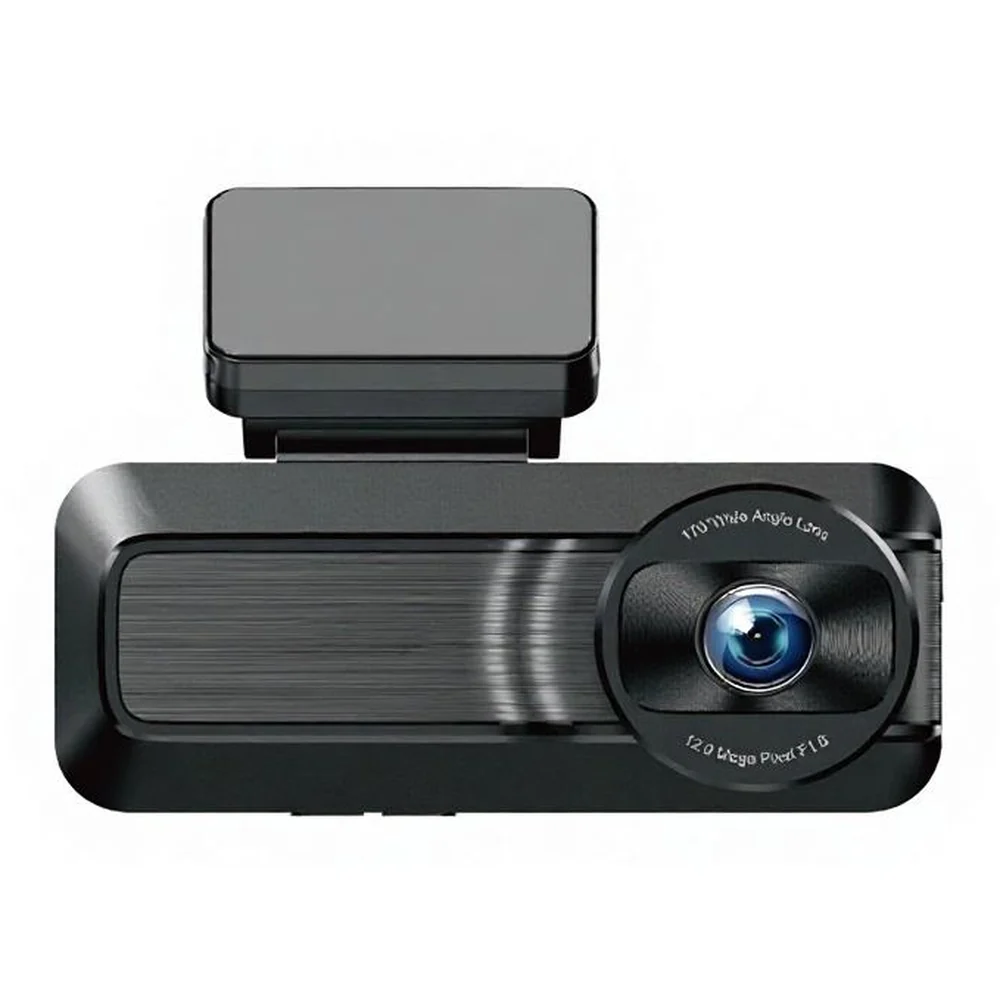
Not every van needs three cameras. This is the smallest honest build: a single 130° lens recording 1080p HDR to a TF card, a GPS receiver stamping every file, and a 4G link that puts live view on a phone. No screen, so nothing invites a break-in.
- One 130° lens recording 1080p HDR — enough to read a plate in daylight and defend a lane change
- Built-in GPS: coordinates, speed and time on every file, so a route is a record, not a memory
- 4G live view and playback in the app, in five regional band builds for the destination country
- G-sensor locks the file on impact, so the one clip that matters is not the one overwritten
- TF card up to 128 GB with loop recording, plus a cloud storage option for the files you keep
Is a single lens enough for a fleet?
For a vehicle whose job is to be somewhere and to prove it, yes. One forward lens plus GPS answers the two questions a dispatcher actually asks — where was it, and what happened in front of it. The second lens earns its price when the dispute is inside the vehicle: who was driving, what was loaded, whether a passenger was hurt. If that is your case, take the dual-lens build instead; if it is not, this one keeps the cost per vehicle down.
Standard configuration
| Specification | Detail |
|---|---|
| Model | SZGOING 4G single-lens dash camera — five regional band builds |
| Channels | 1 — forward lens |
| Resolution | 1080p HDR |
| Field of view | 130° |
| Connectivity | 4G LTE with SIM slot — America, Europe, AU/NZ, Africa or Asia band |
| Positioning | Built-in GPS; coordinates, speed and time stamped on every file |
| Remote | Live view and playback in the app; clip download over 4G |
| Events | G-sensor vibration detection with emergency file lock |
| Storage | TF card up to 128 GB, loop recording; cloud storage option |
| Display | No screen — the housing stays compact on the glass |
| Mounting | Adhesive bracket with adjustable angle |
| Power | Vehicle supply through the supplied harness |
| Options | Memory card, data SIM, custom badge, retail packaging |
The table describes the standard build; the order datasheet confirms the final configuration.
What this build does and does not do
It turns a trip into a record
Every file carries coordinates, speed and a timestamp, so a delivery dispute is resolved by opening the day rather than by asking the driver. That is the feature that makes a cheap camera a fleet tool, and it is on board here rather than behind a subscription.
The SIM decides what you can see
Recording never depends on signal — it lands on the card either way. The 4G link only decides whether you can watch, download or hand a clip to someone without walking to the vehicle. Fit a local data SIM in the band build that matches the country.
What it deliberately leaves out
There is no cabin lens, no radar parking guard and no ADAS. That is the point: fewer parts to fail, a lower unit price and a smaller hole in the vehicle's electrical budget. If any of those three is a requirement, the dual-lens build is the honest answer.
Single-lens 4G dash camera FAQ
Does it record without a SIM card?
Yes. Recording runs on the TF card with or without a SIM; the card is the primary store. The SIM only enables remote access — live view, playback and clip download from the app.
Which 4G band do I order?
The camera ships in America, Europe, AU/NZ, Africa and Asia band builds. Tell us the destination country on the order and we ship the matching build; a band mismatch shows up as a camera that records but will not connect.
How much footage fits on the card?
Card size is capped at 128 GB and recording is looped, so the oldest file is replaced once the card fills. Exact hours depend on bitrate and on how many events the G-sensor locks; we confirm the figure on the order datasheet rather than quote a number that will not hold for your route.
Can it be branded for our own label?
Yes — housing badge, boot logo, packaging and the app's entry screen. This is the build most resellers start with, because the unit price leaves room for a retail margin.
How is this different from the dual-lens and radar builds?
Same idea, fewer sensors. The dual-lens build adds a 140° infrared cabin lens for in-vehicle disputes; the radar build adds a second 2K lens and radar parking guard on both cameras. This one is the single forward view, which is the cheapest way to put a vehicle on the map.
Price a single-lens rollout
Send the vehicle count, the destination country and whether you need OEM branding. We will quote the band build, the card and the SIM in one line, and say plainly when a second lens would be the better buy.