
A gate is the one place a solar tower is obviously right
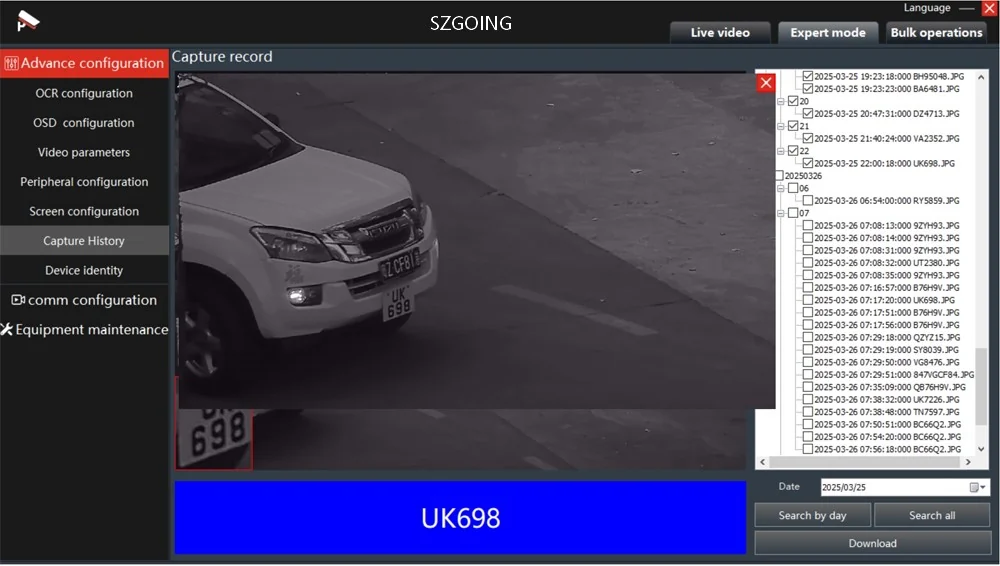
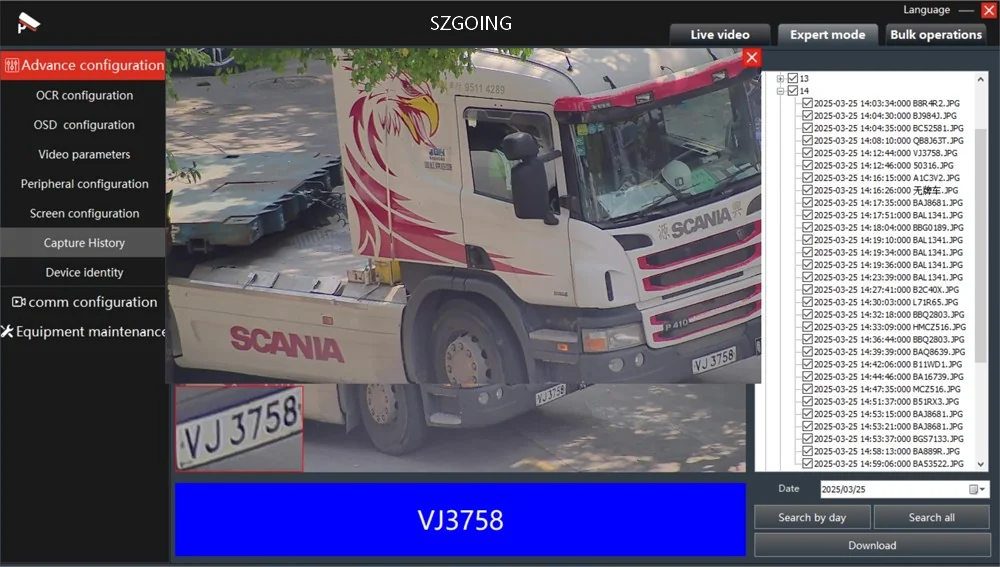
A camera on a compound wall needs a wide view and an alarm. A camera at a gate needs one thing: the plate, presented square, at four to eight metres, once per vehicle. That is a narrow job, it happens in daylight and after dark, and it is the job this combination is built for — a 4 MP sensor, a 6–22 mm lens and six fill lights, looking at a place where a car has to stop anyway.
Put it on the tower and the gate stops needing services. Two 100 W panels handle the 0.48 kWh a day the head, the recorder and the router draw; 4G handles the view and the records; and because the whitelist and the relay are on the camera, the barrier still lifts on the morning the SIM has run out. That last detail is the one that decides whether an unmanned gate is a success or a complaint.
What it takes over, and what it leaves alone
It takes over the list: who is allowed in, who came in, when, and what the vehicle looked like. It takes over the barrier: a contact closes, the arm lifts, the log records it. It leaves alone everything that needs a person — the unexpected delivery, the driver who will not move, the argument about a damaged mirror. Most sites that install one find the guard moves from the barrier to the yard, which is usually the job they wanted.
Who should not buy this
A gate with mains power: the wired 4 MP head is a fraction of the money and has no battery to change. A gate where the plate is read at 30 m: the 5 MP tower has the lens for it. And a gate that already has a modern controller with its own ANPR input and only wants a picture of each car — that is a site camera, and we will say so rather than sell you a recogniser you do not need.