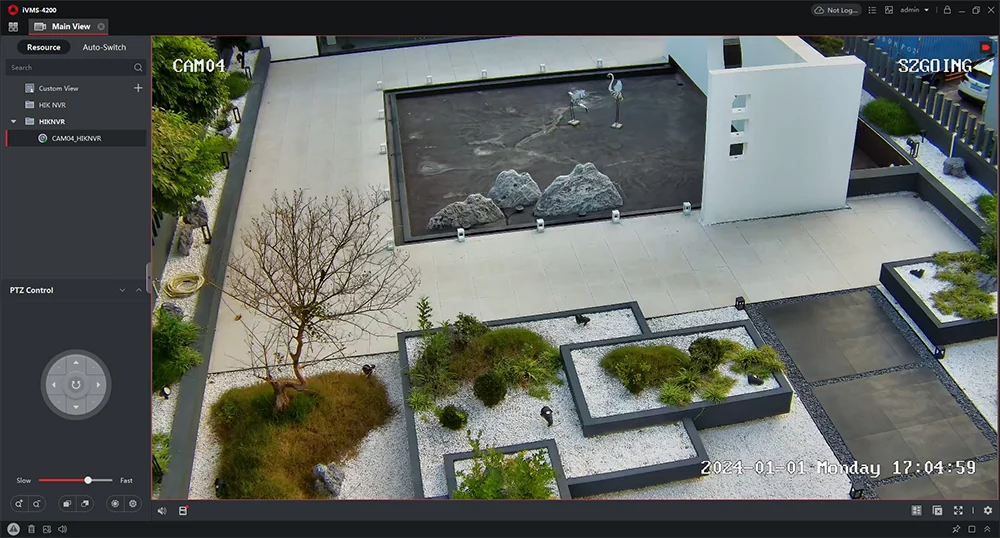
The fourth head is free hardware and expensive power
Adding a head to this tower costs a camera and a pole adapter, because the box already has the port and the recorder already has the channel. What it also costs is electricity, and that is the part buyers skip. Four heads running their infrared all night are the largest load on the array — larger than the recorder, larger than the router, larger than the 4G radio that everyone worries about first.
- Four heads, four channels, four pole adapters — the box does not change
- Roughly 1.2 kWh a day at the loads above, against 0.7 kWh harvested in winter
- 100 Ah of LiFePO4 is the floor for a quad build, 50 Ah is summer-only
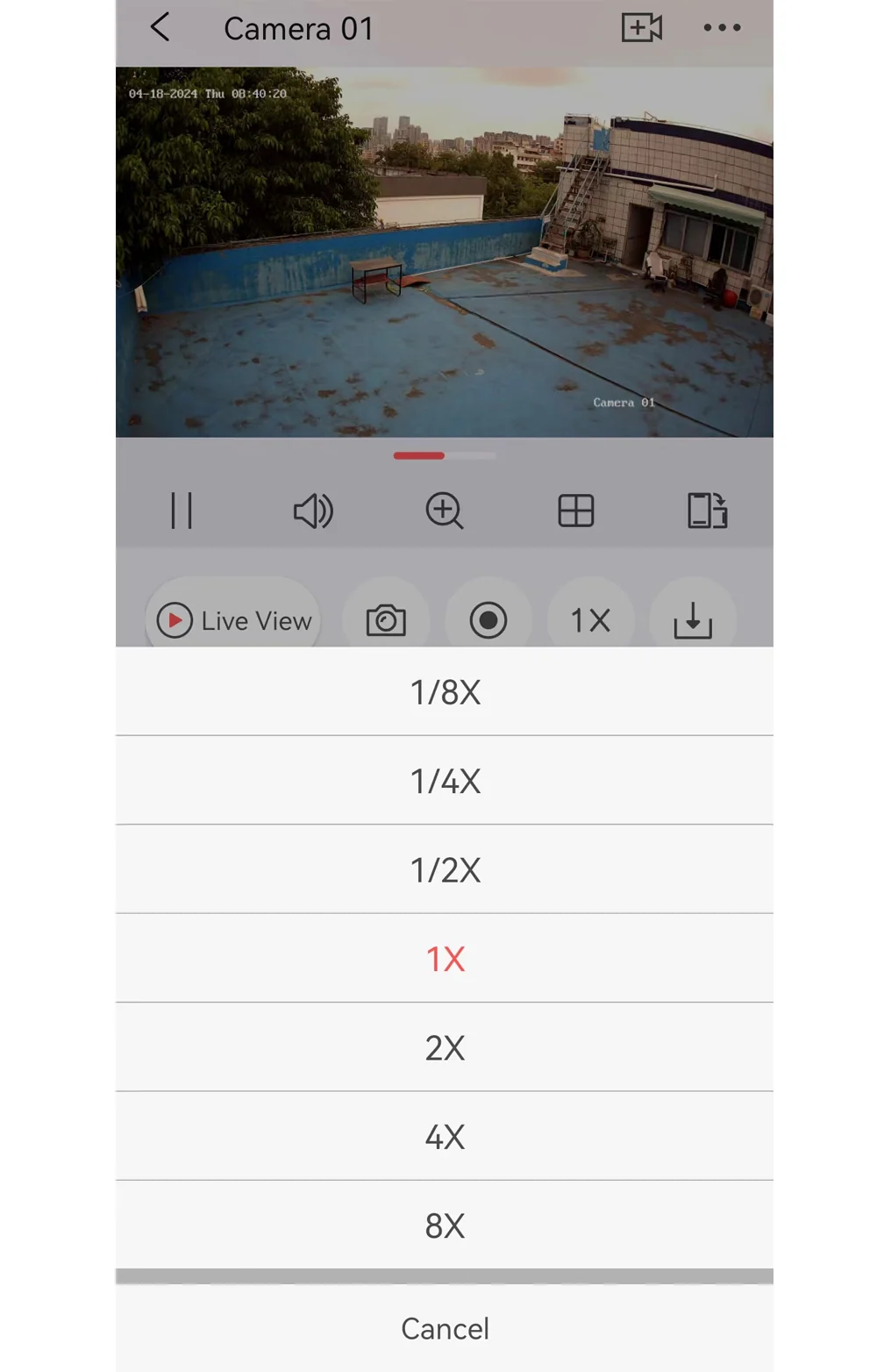
- Four sub-streams fit a 4G uplink; mainstreams are called up one at a time
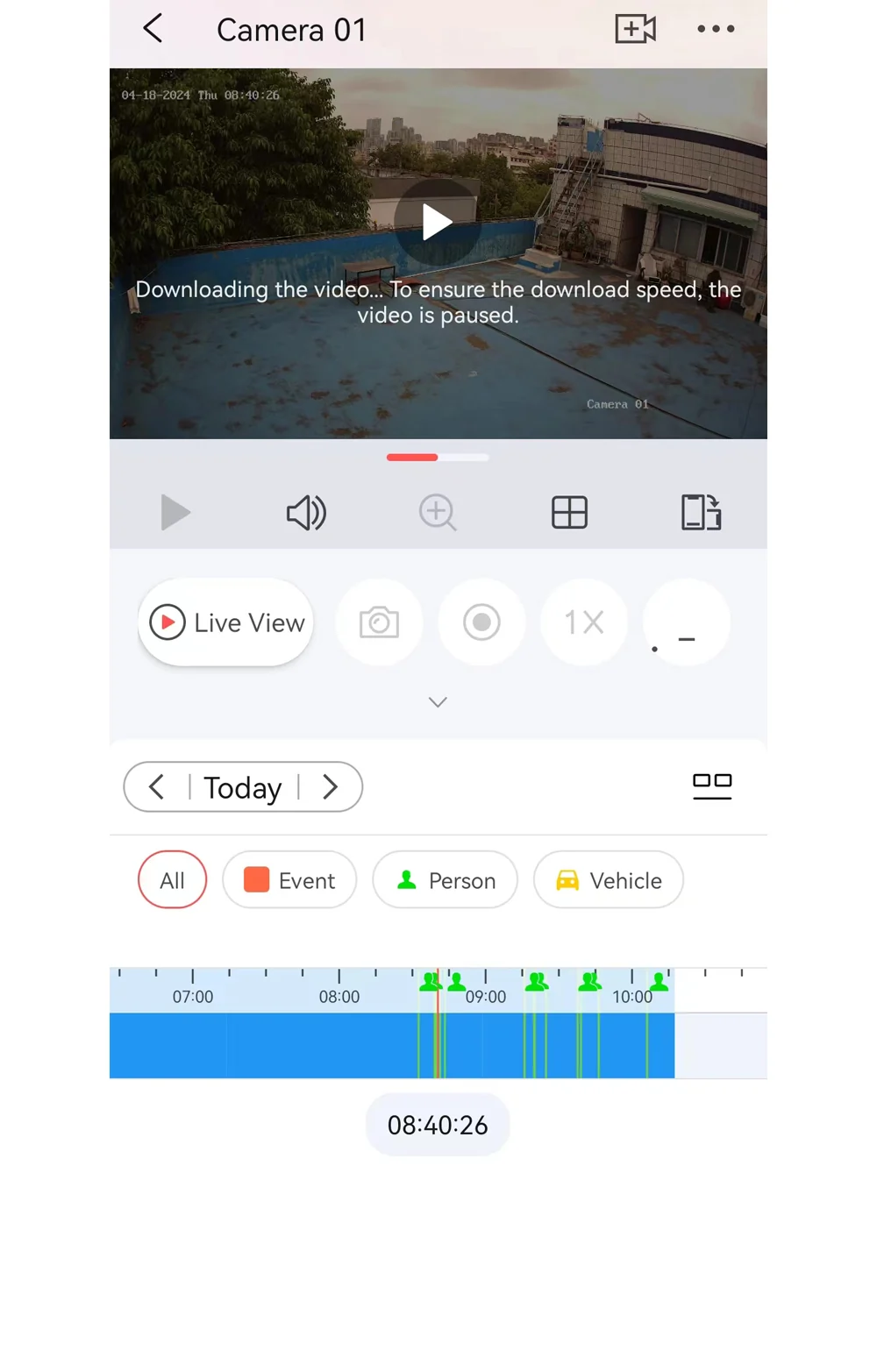
- Six days of continuous recording on the 1 TB drive, weeks on motion
None of that is a reason not to buy four. It is the reason to size the battery properly the first time, and to set the recording mode before the site fills the drive. A quad tower that browns out in February was not under-specced on cameras; it was under-specced on one 12 V pack.
What the fourth head actually buys
On a long plot the answer is obvious: four directions held at once, each one able to reach a hundred metres. On a square plot it is subtler — one head watching the gate, one on the material laydown, one on the fence the thieves used last time, one spare to point at whatever the next incident is. That fourth head is the one that stops you moving a camera every time the site changes shape, and sites change shape weekly.
The part the app does not tell you
Every head on this tower is a moving part: a pan motor, a tilt motor, a slip ring and a belt. Four heads means four of each, and the tower that never needs servicing is the one with fixed lenses. Buy the quad build because the site genuinely has four directions worth watching and a person to watch them — not because four sounds more thorough than three.